
Brain-eating amoebas are a type of single-celled organism that can cause fatal brain infections. These amoebas are typically found in warm, fresh water, such as lakes and rivers. They can also be found in soil and in poorly chlorinated swimming pools. Brain-eating amoebas enter the body through the nose and travel to the brain, where they cause a rare but potentially fatal condition called primary amoebic meningoencephalitis (PAM).
While brain-eating amoebas are typically found in warm water, it is possible for them to survive in cold water. A study published in the journal PLOS ONE found that brain-eating amoebas can remain infective at temperatures as low as 14 degrees Fahrenheit (-10 degrees Celsius). This means that people who swim in cold water can be at risk of contracting PAM.
The best way to prevent PAM is to avoid swimming in water that may be contaminated with brain-eating amoebas. If you do swim in such water, it is important to avoid getting water up your nose. You can also use a nose clip or hold your nose shut when swimming in potentially contaminated water.
A young woman on a white-water rafting trip in North Carolina died after contracting a brain-eating amoeba. The organism responsible for this infection is Naegleria fowleri, which is a single-celled organism. The most common way for people to become infected is through warm freshwater lakes or rivers. It is possible to have symptoms as soon as one to nine days after the infection, which include headache, fever, nausea, and vomiting. In the United States, 138 people were infected with Naegleria fowleri between 1962 and 2015, and three of them survived. There are a few things you can do to reduce your chances of getting an infection. If you intend to swim in warm freshwater, you may want to avoid swallowing water up your nose.
It thrives and multiply, feeds on bacteria, and can become lethal in warm waters, which rise to around 80 degrees Fahrenheit. It remains active in the water when it drops below 80 degrees Fahrenheit, and it remains a threat when it rises above that level.
Basics of Naegleria fowleri Amoebas prefer warm freshwaters (including lakes, rivers, ponds, and canals) as well as wet soil. Detection is carried out with a high level of sensitivity.
It can grow in water heaters and water pipes in the home as well as in water pipes. During religious practices, people have been diagnosed with Naegleria fowleri infection by putting their heads underwater, rinsing their sinuses with water contaminated with bacteria, and cleaning their noses with tap water contaminated with the disease.
Drinking contaminated water is not a good idea. Amoebas cannot thrive in saltwater or a pool or hot tub that has been treated.
What Temperature Is Too Cold For Brain Eating Amoeba?
 Credit: www.reddit.com
Naegleria fowleri prefers warm temperatures. Its best growth occurs at temperatures above 115F (46C), but it is less likely to be found in water when temperatures fall below 77F (25C).
The Dangers Of Naegleria Fowleri
While there is no known cure for Naegleria fowleri, swimming in contaminated waters is the best way to avoid becoming ill. If you’re not sure whether or not the water you’re swimming in is safe, you can take a test to see if the amoeba thrives at the appropriate temperature. In the meantime, you should wear a face mask and avoid diving into cold water as much as possible.
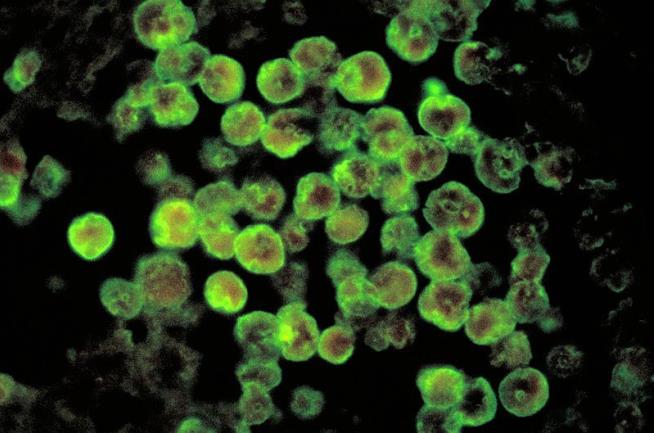
What Temperature Kills Amoebas?
 Credit: www.newser.com
To kill all amoebae 17 species, take 5 minutes to warm water to 50 degrees Fahrenheit. In addition to being able to tolerate temperature rises of 65oC for 1-3 minutes, amoeba and cysts can also be able to tolerate temperature drops of 20oC or lower. A person suffering from retardation is killed when temperatures drop below 10 degrees Celsius.
The Brain-eating Amoeba
Naegleria fowleri, an amoeba that eats brain cells, enjoys the warmer temperatures. When the temperature falls below 77F (25C), the amoeba is less likely to survive in the water and prefers to grow at temperatures of up to 115F. In addition, water containing more than 0.5mg/L of total chlorine has been shown to reduce the risk of N. fowleri.
Because it can survive in water temperatures as high as 115 degrees Fahrenheit, it is found all over the world. When water is boiled, it kills the amoeba but when water is chlorine-free, it kills the amoeba as well.
Can Naegleria Fowleri Survive Freezing?
 Credit: www.epainassist.com
Naegleria fowleri thrives in warm water at temperatures ranging from 115 to 46 degrees Fahrenheit. Despite the fact that it may survive at even higher temperatures for a short period of time, refrigeration kills it. Although the cysts can survive in refrigeration for weeks or months at a time, they appear to have died once frozen.
Despite the fact that Naegleria fowleri can grow and survive in water, disinfectants kill it. The Naegleria fowleri ameba is responsible for the primary amebic meningoencephalitis (PAM), a type of meningitis caused by the Naegleria fowleri ameba. When this condition is present, you may experience headaches, fever, neck stiffness, nausea, and vomiting. A person may die as a result of a PAN infection in a few cases.
Naegleria fowleri infection is thought to have been eradicated in the United States in the last 50 years. All of the fatal cases had a medical cause. Despite this, a Florida teenager has survived an infection caused by a rare amoeba, which kills almost all of its victims.
The ameba, which can cause meningitis, was discovered in the water of a warm freshwater spring in May, and a Florida teenager contracted it while swimming in it. The ameba was removed with multiple brain surgeries, and he was hospitalized for two weeks. Miller is the first person in the United States to survive an infection caused by Naegleria fowleri.
It is extremely rare, with only one in every million people contracting it in their lifetime. An ameba can survive in contaminated water for up to two weeks in warm freshwater sources such as rivers and springs. It can also be found in the soil and in the air.
Despite the fact that the Florida teenager is the only person in the United States to survive an infection caused by Naegleria fowleri, his story isn’t the only one. Almost all people who contract the ameba do not recover. There is no reason to believe this is the result of a genetic defect, but it is possible that the ameba has a stronger ability to invade the brain in people who are more likely to get it.
Despite the fact that the chances of catching Naegleria fowleri infection are remote, people can protect themselves by following these simple precautions.
Warm freshwater sources, such as rivers and springs, are especially dangerous if contaminated water has been present in the area in the past.
In lakes and other bodies of water, if there has been an outbreak of waterborne diseases, you should avoid swimming in them.
Touching any surface wet, particularly the nose, mouth, or other parts of your body.
What Temp Kills Naegleria Fowleri?
Using a heated metal object, such as a steel pipe, for 5 minutes at 50 degrees Celsius will kill all forms of the amoebae 17. Amoeba and cysts can withstand temperatures of 65 degrees Fahrenheit for 1-3 minutes, but reproduction is inhibited at temperatures below 20 degrees Fahrenheit. When the temperature drops below 10oC, the degradation process begins.
What Kind Of Water Does The Brain Eating Amoeba Live In?
The ameba can be found in warm freshwater bodies such as lakes and rivers. Hot springs are examples of naturally hot water sources (gasification).
Naegleria fowleri, a microscopic amoeba that forms cysts, is ubiquitous and can be found in fresh and salt water. Milltefosine, a new antibiotic, was approved by the Food and Drug Administration in 2016 for the treatment of leishmaniasis. Naegleria fowleri is killed by IV antibiotics like rifampin (Rifadin) and azithromycin (Zithromax, Zmax, AzaSite), which are also available on the market. Despite the fact that Naegleria fowleri is uncommon, it can lead to fatal brain infections. If you have an infection of Naegleria fowleri, you should seek medical attention as soon as possible and avoid water activities if you are on antibiotics.
Don’t Let Naegleria Fowleri Ruin Your Summer Fun
Naegleria fowleri is a mosquito-like amoeba found in warm and hot freshwater (lakes, rivers, and hot springs). In most states, it is found in the south, but infections have occurred in more northern states, including Minnesota.
Warm or hot freshwater (such as lakes, rivers, or hot springs) is the most common location for people to become infected with Naegleria fowleri. Water with contaminated water can not be drank, but it can be swimming in.
Even swimming in freshwater is the best way to avoid Naegleria fowleri, but it is not the only option. Make certain that the amoeba does not live in any bodies of water that are known to have amoebas. If you are infected, you should seek immediate medical attention.
Brain-eating Amoeba Water Temperature
Brain-eating amoebas are a type of single-celled organism that can cause fatal infections in humans. These amoebas are typically found in warm, fresh water, such as lakes and rivers. They can also be found in thermally-polluted water, such as that from hot springs. When the water temperature is above 86 degrees Fahrenheit, the amoebas can become active and infect humans who drink or swim in the contaminated water. Symptoms of a brain-eating amoeba infection include headache, fever, nausea, and vomiting. If left untreated, the infection can cause seizures, coma, and death.
The child is believed to have come into contact with the amoeba while swimming in the Elkhorn River, just west of Omaha, on Sunday. The infection killed a Missouri resident at Lake of Three Fires in Iowa last month. Naegleria fowleri infections are a rare but deadly disease, according to the Centers for Disease Control and Prevention. It is possible that an increase in infections since 2000 is due to improved knowledge and diagnosis. According to a researcher, rising temperatures are ideal conditions for the growth of amoeba. According to health officials, freshwater swimmers should avoid putting their heads under water and instead plug their noses.
How Cold Is Too Cold For Brain Eating Amoeba?
The amoeba can survive in freezing water for extended periods of time, up to 65oC (122-149oF).
Deadly Amoeba Found In Warm Freshwate
Naegleria fowleri is a rare but deadly amoeba that can live in warm but clean water, such as 80 degrees. Warm water, such as lakes and rivers, as well as hot springs, are ideal habitats for the amoeba. People are most frequently infected when they are in contact with warm freshwater, such as when swimming or diving. How can amoeba survive in water? As a result, there is no definitive answer to this question due to the differences between the type of amoeba and the water temperature. Amoebas, on the other hand, are generally thought to live only in water that is warmer than their natural body temperature.
Can Brain-eating Amoeba Survive In Chlorinated Water
N. fowleri cannot survive in water that is clean, cool, and free of parasites. If free chlorine or chloramines with a concentration of 0.5mg/L or higher are used, N. fowleri will be controlled; however, if the disinfectant is not used in the water supply, N. fowleri will thrive.
Chlorine is released into the water by amoeba that have been eaten by the brain. A study has demonstrated for the first time that biofilms on drinking water pipes help N. fowleri escape death by chlorine. A rare but extremely dangerous pathogen kills over 97 percent of infected people. Chlorine kills the amoeba N. fowleri in 5 minutes without the presence of other microorganisms. According to Puzon, a biofilm on the pipe wall physically prevents chlorine from entering the body. According to one expert, this study is the most comprehensive that water utilities can use to protect public health.
Naegleria Fowleri: The Amoeba That Can Survive In Fresh Or Untreated Wate
Naegleria Fowleri, a free-living amoeba, thrives in untreated or inadequately treated freshwater, such as lakes, rivers, ponds, hot springs, splash pads, and public water systems. This plant can be introduced to the environment via nasal rinsing with a neti pot or distilled water, as well as through boiled or distilled water.
As a general rule, avoid water-related activities in warm freshwater areas during periods of high water temperatures, avoid putting your head under the water in hot springs and other untreated thermal waters, and, while treated water may be safe, the chlorine in it should be properly used.
Can Brain-eating Amoeba Be Cured
As a result of new drugs, the ability to consume amoeba can be improved. It’s worth noting that brain-eating amoeba infections are extremely rare in the United States, with only about 146 cases reported since 1962. Despite its extremely rare nature, this infection kills more than 97 percent of infected patients.
Eating the brain is the ultimate example of this. Many different types of amoeba can be found all over the world in untreated or inadequately chlorinated warm freshwater bodies. The free-living organism enters the human body through the nose, where it uses the brain as its primary food source. It is extremely rare, affecting a small number of people every year, with the majority of them affected between July and September. Brain-eating amoeba are more common in southern US states. Summer is a time when infections are more likely. By using distilled water, you can clean your nose. Naegleria fowleri is the most lethal strain of the disease, with only four people known to have survived.
If left untreated, the infection can cause permanent brain damage or even death. To avoid brain-eating amoeba infection, you must be aware of the symptoms and be aware of how to avoid direct contact with contaminated water or soil.
For U.S. citizens, there are between 0 and 8 infections per year; higher temperatures in the summer, when the air and water are warmer, appear to increase the number of infections. A brain-eating amoeba infection is one of the most serious and potentially deadly infections that can be prevented with simple precautions such as keeping away from contaminated water and soil.
The Rare But Deadly Disease Caused By The Naegleria Fowleri Amoeba
Naegleria fowleri, a rare, but potentially fatal, amoeba, causes primary amoebic meningoencephalitis (PAM) as well as secondary amoebic meningoencephalitis. Even though amoeba infections are uncommon, they can be fatal in people who are particularly vulnerable, such as those with weakened immune systems or who have recently sustained a head injury.
A person can be prevented from becoming infected with naegleria by not coming into contact with fresh water sources that contain the amoeba. It is critical to seek immediate medical attention if you become infected. Naegleria cannot be cured, but treatment includes amphotericin B, which is injected intravenously or into the spinal cord area in order to kill the amoebas. The average time from the onset of symptoms to death is 5.3 days. There have only been a few cases of patients surviving an infection worldwide.
How To Avoid Brain-eating Amoeba
The best way to avoid brain-eating amoeba is to avoid contact with contaminated water. This means avoiding swimming in stagnant water, particularly in hot weather when the water is more likely to be stagnant. If you must swim in stagnant water, wear a nose clip or keep your head above water.
A child has died after contracting Naegleria fowleri, a disease that causes severe brain damage. They most likely contracted the infection while swimming in the Elkhorn River on August 8. A child who was exposed to an insect and later died was admitted to the hospital 48 hours later. In the other states, a Florida teen is in critical condition after contracting brain-eating amoeba. Primary amoebic meningoencephalitis (PAM), a brain infection, destroys brain tissue in people who have Naegleria fowleri. Infection usually causes severe headaches, fever, nausea, and vomiting. Lakes, for example, have been the most common source of cases of this disease.
I Got Water Up My Nose Brain-eating Amoeba
Naegleria fowleri, an amoeba, is found in warm freshwater lakes, rivers, canals, and ponds across the country. In the case of primary amebic meningoencephalitis (PAM), the amoeba can cause brain infections when water containing the amoeba rushes up the nose and into the brain.
How Long Does It Take To Feel The Effects Of Brain Eating Amoeba?
The symptoms of PAM typically appear between 5 and 12 days after infection. A person may experience headaches, fever, nausea, or vomiting during the first few days. Stiff neck, confusion, lack of attention to people and surroundings, seizures, and hallucinations are just a few of the later symptoms.
Can You Get Brain Eating Amoeba From Drinking Water?
Drinking water contaminated with Naegleria fowleri is not a good idea. Naegleria fowleri can be found in municipal drinking water systems if the water utility raises disinfectant levels and flushes the system to kill it.
Can You Test Water For Naegleria Fowleri?
Water samples can be collected, concentrated, and cultured to obtain a sample of Naegleria fowleri. A serologic or molecular method can be used to test samples, depending on the serologic or molecular method.
Eating Amoeba
Eating amoeba can be dangerous because they are a type of parasite. If they enter your body, they can cause infections or diseases.
Naegleria fowleri is a name for this amoeba found in the A.S. and Australia. This tiny organism lives in warm freshwater and soil and can only survive in a single cell. When you swim in a warm, freshwater body of water, you are most likely to catch an infection. Between 2008 and 2017, there were only 34 cases reported in the United States. Primary amebic meningoencephalitis (PAM), a severe and usually fatal condition caused by Naegleria amoeba, can occur as a result of Naegleria amoeba. There are few effective treatments for infection, but there are some preventative measures you can take to reduce the risk of contracting it.
Amoebas Dissolve Brain Tissue
The name Naegleria fowleri derives from the Greek word for fowleri. It is most commonly found in warm freshwater bodies or untreated, contaminated waters. When it gets inside the human body, the organism causes a rare but deadly infection and inflammation in the brain, as well as irreversible damage to brain tissue via “eating” it.
Warm freshwater pools all over the world are home to amoebas, which consume bacteria. When someone swims in one and drinks water up their nose, their brain goes into search of food. Once there, it consumes cells and releases proteins that cause the cells to break down, causing other cells to perish. Brain inflammation and swelling can be caused by an immune system attack. According to Michael Mannan, the brain-eating amoebas deserves a new name. Before receiving medication to combat the parasite, the infected should first be treated with drugs that dampen the immune system. Despite the fact that infection rates have not risen significantly, there has been an increase in unexpected cases.
Deadly Amoeba Infecting Brains
Naegleria fowleri can kill you if it infects your brain. When an ameba comes into contact with the brain, toxic molecules are released from its nose, causing brain tissue to degrade. The immune system transports fluid and immune cells to the brain in order to fight an infection. When toxic molecules and the immune system are combined, brain swelling and death occur. Naegleria fowleri is not harmful to other parts of the body.
Amoeba Infections
Amebiasis (am-uh-BYE-eh-sis) is a type of parasitic infection caused by Entamoeba histolytica (E. histolytica). A single-celled organism (MEE-buh) is the type of parasite found in the environment. This parasite can be acquired by eating or drinking food or drink contaminated with it.
A beach at Lake of Three Fires State Park in Iowa has been closed after a swimmer was infected with a brain-eating amoeba. A disease caused by Naegleria fowleri is known as primary amebic meningoencephalitis (PAM). It is extremely rare, and it is extremely dangerous. Naegleria fowleri is an amoeba that eats brain cells. The disease is extremely serious in humans, but the number of infections is extremely low. In the first few hours, patients may experience a severe headache, fever, nausea, and vomiting. The second stage can quickly progress to a stiff neck, seizures, and mental problems.
According to the Centers for Disease Control and Prevention, 31 cases of PAM were reported in the United States between 2012 and 2021. Every year, millions of people swim in recreational water, but there is no risk of infection. Most cases have occurred in the South during the summer months.
Amebiasis: A Serious Infection With A Full Recovery Possible
A mild form of amebiasis that includes nausea (a feeling of weakness in the stomach), diarrhea (loose stool/poop), weight loss, stomach tenderness, and occasionally fever, is also known as mild amebiasis. In rare cases, parasite infections can also invade the body beyond the intestines, causing more serious infections such as liver abscesses (a collection of pus).
Nitroimidazole drugs are used to treat gastrointestinal amebiasis, which kills amoebas in the blood, in the intestine, and in the liver abscesses. In addition to the antibiotics metronidazole (Flagylinda) and tinidazole (Tmax, Fasigyn), there are several other antibiotics.
If left untreated, amebiasis can result in death. Fortunately, most people recover completely if they receive proper treatment.

